
Core Web Vitals Guide for Faster Websites & Better SEO
What Are Core Web Vitals?
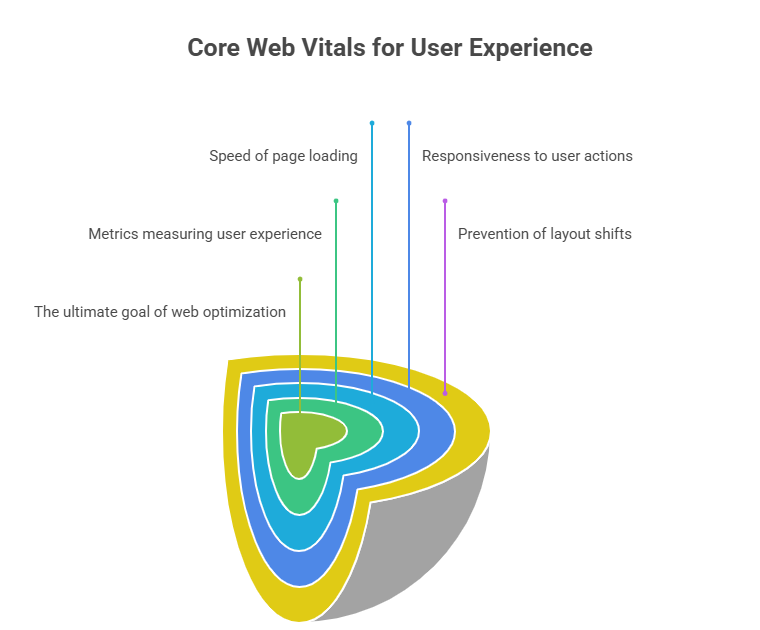
If you want your website to rank higher on Google, one term you must understand is Core Web Vitals. These are performance metrics introduced by Google to measure real user experience on a website. In simple words, they analyze how fast your site loads, how responsive it feels, and how stable the layout appears while loading. These signals are part of Google’s page experience ranking factors, which means they can directly influence your website’s visibility in search results.
Imagine entering a store where the door takes forever to open, the shelves keep moving, and the cashier responds slowly. You would probably leave within seconds. The same thing happens on websites. If a page loads slowly or jumps around while loading, users quickly exit, increasing the bounce rate and hurting SEO performance. That’s why businesses and digital agencies now focus heavily on optimizing Core Web Vitals to improve both user experience and rankings.
Companies like Nuform Social emphasize performance optimization as a key part of modern SEO strategies. A faster website not only attracts search engines but also keeps visitors engaged for longer periods.
The Three Important Core Web Vitals Metrics
1. Largest Contentful Paint (LCP)
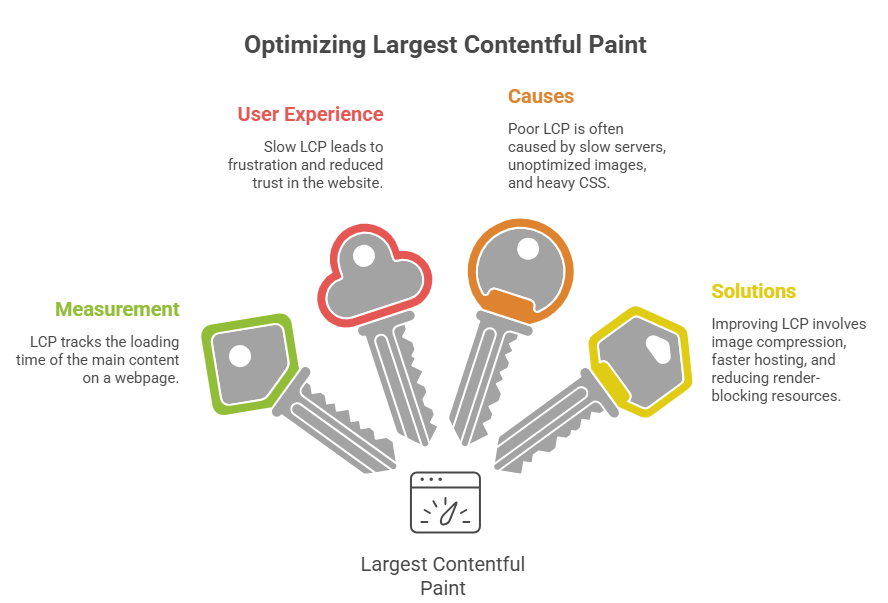
Largest Contentful Paint (LCP) measures how quickly the main content of a webpage becomes visible to users. It usually tracks the loading time of the largest element on the screen, such as a hero image, large heading, or featured content section. For a good user experience, Google recommends an LCP score of 2.5 seconds or less.
When LCP is slow, visitors stare at blank or incomplete pages. This creates frustration and reduces trust in the website. Slow server response, unoptimized images, or heavy CSS files often cause poor LCP scores. Imagine clicking on a blog and waiting several seconds before the main content appears—it instantly creates a negative impression.
To improve LCP, website owners should compress images, use faster hosting, and reduce render-blocking resources like heavy JavaScript files. Many SEO experts at Nuform Social recommend prioritizing the loading of essential page elements first so visitors can instantly see meaningful content.
2. Interaction to Next Paint (INP)
Interaction to Next Paint (INP) measures how quickly a webpage responds when a user interacts with it. This could include clicking a button, tapping a menu, or submitting a form. Google introduced INP to better measure responsiveness across the entire user journey.
For optimal performance, websites should maintain INP under 200 milliseconds. When this metric is slow, users feel that the website is unresponsive or broken. Imagine clicking a “Contact Us” or “Buy Now” button and nothing happens for a few seconds. That delay can easily cause visitors to leave the site.
Web developers improve INP by minimizing heavy JavaScript, optimizing event handling, and reducing unnecessary scripts that block user interaction. Faster responsiveness creates a smoother browsing experience and increases engagement.
3. Cumulative Layout Shift (CLS)
Cumulative Layout Shift (CLS) measures visual stability while a webpage loads. It calculates how much the layout unexpectedly shifts during loading. A good CLS score should be 0.1 or lower.
For example, you might try to click a link on a page, but suddenly an image loads above it and pushes the content down. This causes accidental clicks and creates frustration. Layout shifts usually occur when images, ads, or embedded content load without reserved space.
Developers fix CLS issues by defining width and height attributes for images, avoiding dynamic content insertion above existing elements, and managing fonts properly. Stable layouts help create a smooth browsing experience and improve overall usability.
Core Web Vitals Performance Benchmarks
Metric | Good Score | Needs Improvement | Poor |
LCP | ≤ 2.5 seconds | 2.5–4 seconds | > 4 seconds |
INP | ≤ 200 ms | 200–500 ms | > 500 ms |
CLS | ≤ 0.1 | 0.1–0.25 | > 0.25 |
These benchmarks help website owners measure their performance and identify areas that need improvement. When most users experience “good” scores, Google considers the page optimized for user experience.
Why Core Web Vitals Matter for SEO
Many website owners believe SEO is only about keywords and backlinks. While those factors are important, user experience has become equally essential. Google wants to provide users with websites that are fast, responsive, and stable.
When a site performs well in Core Web Vitals:
- Users stay longer on the website
- Bounce rates decrease
- Conversion rates increase
- Search engines reward the site with better visibility
SEO professionals at Nuform Social often highlight that improving website performance can dramatically boost organic traffic and customer engagement. A fast and stable website creates trust and encourages visitors to explore more pages.
How to Improve Core Web Vitals

Improving Core Web Vitals does not always require complex technical work. Even small changes can significantly enhance performance.
Some effective strategies include:
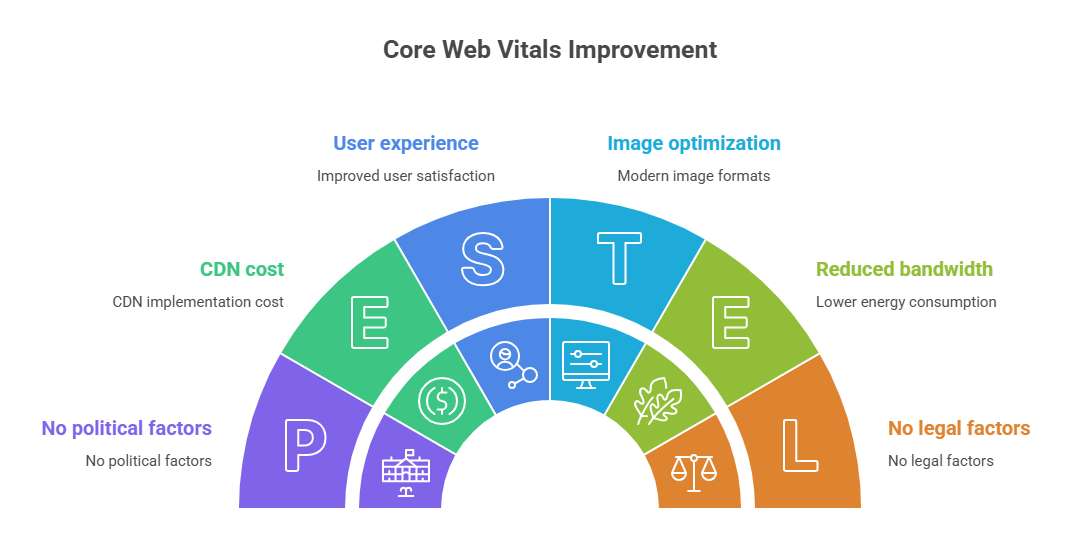
- Optimize images with compression and modern formats like WebP
- Use a Content Delivery Network (CDN) to speed up loading worldwide
- Minimize JavaScript and CSS files to reduce page weight
- Enable browser caching for returning visitors
- Reserve space for images and ads to avoid layout shifts
Tools like Google PageSpeed Insights, Lighthouse, and Google Search Console help analyze performance and provide actionable insights for improvement.

Today’s digital world demands fast and user-friendly websites. Core Web Vitals help measure exactly how well your site performs in real-world conditions. By improving page speed, responsiveness, and visual stability, businesses can enhance both user satisfaction and SEO performance.
Organizations like Nuform Social understand that website performance is a crucial part of digital growth. When these metrics are optimized, visitors stay longer, interact more, and are more likely to convert into customers.
Want to improve your Google ranking and accelerate your website? The Nuform Social team can optimize your Core Web Vitals and elevate your website to a high-performance digital experience. Optimize today and go beyond your competition!
FAQs About Core Web Vitals
1. Do Core Web Vitals impact SEO rankings?
2. What are the three Core Web Vitals metrics?
3. What is considered a good Core Web Vitals score?
4. Which tools can measure Core Web Vitals?
5. How can businesses improve Core Web Vitals quickly?

Manisha Sharma is an experienced content writer with over 1-2 years of expertise in crafting engaging, SEO-driven, and audience-focused content. Passionate about storytelling and travel, combines her love for exploring new places with her writing skills to create authentic and relatable narratives. From travel blogs to brand content, Manisha Sharma specializes in producing compelling copy that connects with readers and enhances brand presence across digital platforms.