
Written By:- MANISHA SHARMA
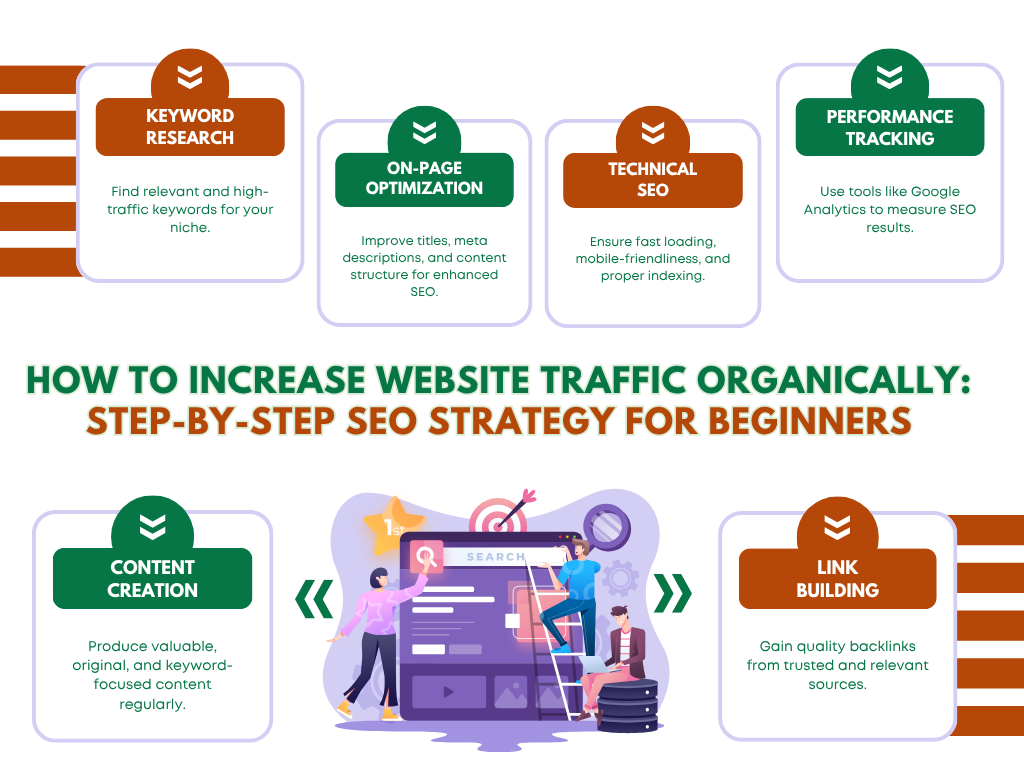
How to Increase Website Traffic Organically: Step-by-Step SEO Strategy for Beginners
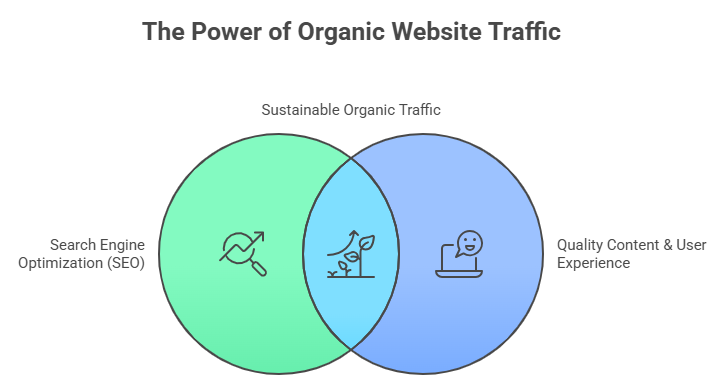
Why Organic Traffic Is the Lifeline of Your Website
Imagine spending hours designing your website.
You choose the colours add your services, write a few blogs and click Publish with excitement.
A day passes…
A week passes…
A month passes…
But the visitor count stays almost the same.
This is the moment every beginner faces, when your website feels like a shop hidden in a remote lane, with no customers passing by.
But we have a Good News for you… This scene is about to change!
Organic traffic, visitors who find you naturally through Google is the most valuable form of traffic you can get. It’s free, long-lasting and full of high-intent users who are searching for exactly what you offer.
In this guide, you’ll learn step-by-step how to increase website traffic organically using simple SEO strategies built especially for beginners.
What Is Organic Website Traffic?
Organic vs Paid vs Referral vs Direct Traffic: Simple Breakdown
- Organic: Visitors coming through Google search
- Paid: Users clicking paid ads
- Referral: Users coming from another website
- Direct: People typing your URL directly
Organic visitors are the most valuable because they come with clear intent — they are actively searching for a solution.
Google decides which websites to show based on:
- Content relevance
- Keyword optimization
- Page speed
- Authority (backlinks)
- User experience
And that’s exactly what this guide will help you improve.
If you’re looking for how to increase website traffic, focus on strong SEO strategies, quality content, and smart Conversion Rate Optimization to drive more visitors and turn them into customers.
Understanding Search Intent — The Foundation of Organic Growth
Before ranking high, you must understand why a user is searching.
Types of Search Intent
1. Informational Intent
Users looking for knowledge.
Example: how to increase website traffic
2. Navigational Intent
Searching for a specific site.
Example: Facebook login
3. Commercial Intent
Comparing options before buying.
Example: best SEO tools for beginners
4. Transactional Intent
Ready to take action or buy.
Example: hire SEO expert
Match Content With Intent
Google rewards websites that match user intent perfectly.
Competitor Intent Analysis
- HubSpot focuses on business-level marketing content
- WordStream targets PPC + SEO hybrid audience
Your content will focus on beginners, which is a high-demand but underserved segment helping you outrank them over time.
Step 1 — Build a Strong Technical SEO Foundation
Even the best content won’t rank if Google can’t access your site.
1. Ensure Your Website Is Crawlable & Indexable
Check:
- Robots.txt
- XML sitemap
- Indexing in Google Search Console
2. Improve Website Speed & Core Web Vitals
A slow website kills traffic.
Tools to test speed:
- PageSpeed Insights
- GTmetrix
- Pingdom
3. Mobile-Friendly Optimization
Google uses mobile-first indexing, meaning your mobile experience decides your rankings.
4. Fix Technical Errors Beginners Often Miss
- Broken links
- Missing alt text
- Duplicate content
- HTTP/HTTPS conflict
- Missing SSL
Step 2 — Keyword Research for Beginners (No Paid Tools Needed)
1. How to Find Keywords That Bring Traffic
Use:
- Google Keyword Planner (free)
- Google Trends
- People Also Ask
- Autocomplete search predictions
2. Choose Long-Tail Keywords for Faster Growth
Long-tail examples:
- “how to increase website traffic for free”
- “SEO strategy for beginners step by step”
They rank faster + bring more targeted visitors.
3. Competitor Keyword Breakdown
Analysis
- HubSpot rankings
- WordStream keyword clusters
Then fill keyword gaps where they are not ranking strongly — giving you an advantage.
Step 3 — Create High-Quality, Search-Focused Content
1. What Google Considers High Quality
- Experience
- Expertise
- Authority
- Trustworthiness (E-E-A-T)
2. Content Types That Drive Massive Traffic
- How-to guides
- List articles
- Tutorials
- Comparison posts
- Beginner-friendly explanations
3. How Often Should Beginners Blog?
Minimum: 1 blog per week
Ideal: 2–3 blogs per week
Consistency builds authority.
Step 4 — On-Page SEO Optimization (Your Traffic Booster Checklist)
1.Essential On-Page SEO Elements
- Keyword in title, H1, introduction
- Short, clean URLs
- Proper use of H2, H3, H4 tags
- Natural keyword use (no stuffing)
- Image alt tags
- Internal links
- External links to trusted sources
2. Internal Linking Strategy
Benefits:
- Google crawls pages faster
- Users stay longer
- Boosts rankings of older pages
3. Add FAQ Schema
This helps your site appear in featured snippets, increasing clicks.
Step 5 — Off-Page SEO: Build Authority with Safe Backlinks
1. Why Backlinks Matter
They act like votes of trust from other websites.
2. Beginner Friendly Link-Building Methods
- Guest blogging
- Social media brand mentions
- Local citations
- HARO backlinks
- Sharing resources in communities
3. Places to Get Free High-Quality Backlinks
- Medium
- Quora Spaces
- Reddit posts
- Niche forums
- Business directories
Step 6 — Improve Website User Experience (UX)
1. Why UX Impacts Google Rankings
If people stay longer, Google assumes your page is valuable.
2. Simple UX Improvements
- Faster loading
- Easy-to-read font
- Clear spacing
- Clean layout
3. Make Your Site Easy to Navigate
Use:
- Visible menu
- Breadcrumbs
- Search bar
Step 7 — Promote Your Content for Instant Visitors
1. Social Media Promotion
Share content on:
2. Use Q&A Platforms
- Quora
High-intent platforms → high-quality traffic.
If you want to know how to increase website traffic, combine strong SEO with a focused Content Marketing Strategy and Conversion Rate Optimization to attract more visitors and boost results effortlessly.
Repurpose Content
Turn blogs into:
- Reels
- Carousels
- Infographics
- Email newsletters
Step 8 — Update Old Content to Restore Traffic
1. Why Google Loves Fresh Content
Updated content gets:
- Higher rankings
- More visibility
- Better click-through rates
2. What to Update
- Titles
- Keywords
- Stats
- Images
- Internal links
3. How Often Should You Refresh Content?
Every 3–6 months.
Step 9 — Track Your Performance & Improve
1. Google Analytics Metrics to Track
- Total users
- Traffic sources
- Bounce rate
- Average session time
2. Use Google Search Console for Keyword Growth
Track:
- Impressions
- Clicks
- Queries
- Page positions
3. Analyze What’s Working
Double down on pages performing well.
4. Common SEO Mistakes Beginners Make
- Keyword stuffing
- Thin or copied content
- Publishing inconsistently
- Ignoring mobile optimization
- Buying cheap/spammy backlinks
5. Advanced Tips to Boost Organic Traffic Faster
- Create topic clusters
- Build pillar pages
- Use semantic SEO
- Add schema markup
- Optimize for voice search
6. How Long Does It Take to Increase Website Traffic Organically?
Realistic expectations:
- 1–3 months: Small improvements
- 3–6 months: Traffic begins rising
- 6–12 months: Strong organic growth
SEO is slow at first…
but becomes unstoppable over time.
Start Your Organic Traffic Growth Journey Today
So, now you understands how to increase website traffic organically — even if you’re a complete beginner.
From keyword research to content creation, from technical SEO to backlinks, each step brings you closer to strong, consistent, long-lasting traffic.
Your website deserves visibility.
Your content deserves readers.
Your business deserves growth.
And SEO is the path to get there.
Start today your future traffic depends on the actions you take now.
Let me help you with:
- SEO-optimized blogs
- Keyword research
- Content strategy
- Website audit
- Competitor analysis
Message me now and let’s start increasing your website traffic organically and effectively!
FAQs
1. How can I increase my website traffic fast for free?
You can boost traffic quickly by improving your SEO, refreshing old posts, and sharing content on social media platforms.
Consistent engagement and using trending topics also attract more visitors without spending money.
2. How much traffic can SEO bring?
SEO can drive thousands of organic visitors every month when your content is optimized and consistent.
Good rankings on Google can turn your website into a long-term traffic machine.
3. Do I need to post blogs daily?
No, daily posting isn’t necessary.
Publishing 1–2 high-quality blogs per week is enough to grow steadily and rank well.
4. What is the best SEO strategy for beginners?
Start with keyword research, then optimize your on-page content with those keywords.
Focus on creating valuable, helpful content that answers user intent.
5. How long does organic traffic take to grow?
On average, organic traffic takes 3–6 months to show strong growth.
It depends on your niche, competition, and consistency.
6. Why isn’t my website getting traffic?
Low traffic often happens due to weak SEO, thin or outdated content, slow loading speed, or poor keyword targeting.
Fixing these issues improves visibility quickly.
7. Are backlinks really important?
Yes, backlinks are one of Google’s top ranking factors.
Quality backlinks improve authority, rankings, and overall search performance.
8. Which SEO tools should beginners use?
Start with Google’s free tools — Keyword Planner, Google Trends, Search Console, and Analytics.
They give accurate insights to plan and improve your SEO strategy.
9. Can social media increase website traffic?
Absolutely!
Sharing valuable, engaging posts consistently on social platforms can drive huge traffic to your website.
10. What is the most effective way to increase organic traffic?
Publishing search-focused, high-quality content regularly works best.
Content that solves real user problems tends to rank higher and get more clicks.

Manisha Sharma is an experienced content writer with over 1-2 years of expertise in crafting engaging, SEO-driven, and audience-focused content. Passionate about storytelling and travel, combines her love for exploring new places with her writing skills to create authentic and relatable narratives. From travel blogs to brand content, Manisha Sharma specializes in producing compelling copy that connects with readers and enhances brand presence across digital platforms.