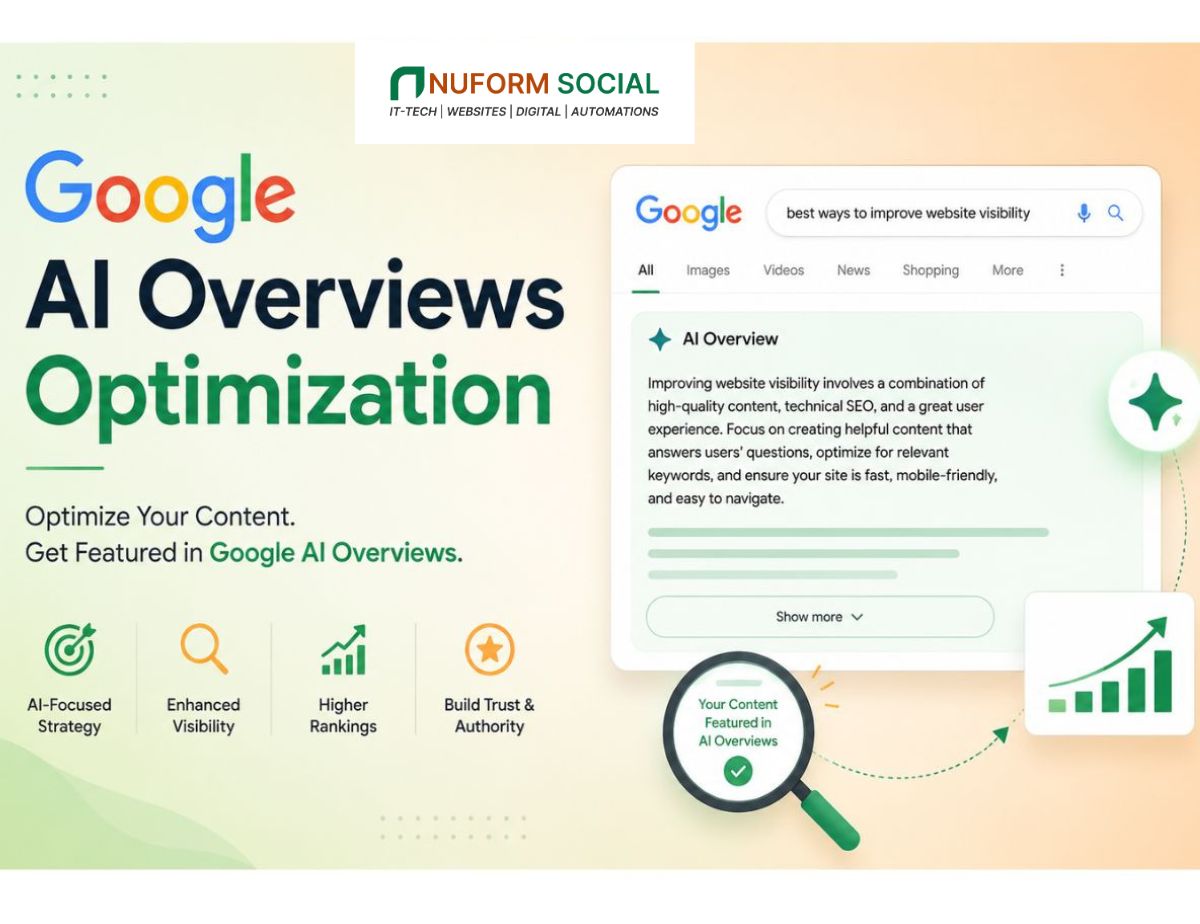
Search engine optimization is currently experiencing one of the biggest transitions since the inception of mobile searches. Ranking of keywords is still essential; nonetheless, with the emergence of artificial intelligence searches, there has been a complete revolution in the process in which individuals use the Internet to get informed. In light of Google AI Overviews and responses to questions using artificial intelligence, businesses need to adapt their SEO techniques.
The transition from standard SEO techniques to the more sophisticated Generative Search Optimization (GEO) and Artificial Intelligence SEO has made it necessary to incorporate factors such as context, intent, meaning, topics, and credibility into SEO processes. The new trend has led to the need for Semantic SEO for AI Search, an SEO method in which content ranks within Google AI Overviews.
SEO optimization for business, marketing, and content creation will become one of the most effective methods for retaining visibility and building online authority.
Find out what semantic SEO is all about, why AI Google Overviews are so important, and learn how to develop a long-term SEO plan in the age of AI search engines.
Transition from Traditional SEO to Modern AI Search Engines
SEO was highly dependent on keywords, backlinks, and technical optimizations for many years. While these elements continue to be significant in SEO, modern search engines use advanced AI algorithms to understand the meanings of words.
The features of AI search engines are as follows:
- Intentions
- Contexts
- Connections between entities
- Breadth of topics covered
- Traffic sources
- Expertise
In addition to just listing blue links, Google is now offering AI-created answers to the queries of its users using information collected from various sources, creating a whole new SEO ranking factor – visibility in AI Overviews.
The need for such changes demands businesses to abandon keyword stuffing and focus on Semantic SEO, which helps search engines to analyze the full context of your content.
Semantic SEO: Definition
Semantic SEO may be referred to as a practice of developing websites based on keywords as well as on topics, entities, concepts, and intent.
Content generation for semantic SEO is different from content generation on the basis of keyword analysis.
So while SEO for Google AI Overviews Optimization will concentrate only on this particular search request, the semantic SEO approach will involve such searches as:
- AI search optimization
- Generative Search Optimization (GEO)
- AI-generated search results
- Search Intent Analysis
- Entity Optimization
- Topic Clusters
- E-E-A-T Signals
- Conversational Search
Why Does Google AI Overview Optimization Matter?
The Google AI Overviews is revolutionizing the way search results are used. Users no longer have to go through several different websites; all they need is one answer that will be produced from reputable sources.
There are advantages and disadvantages to this development.
Advantages of Google AI Overviews Optimization
Visibility
Being featured in AI-generated overviews may place you above your competitors’ organic rankings.
Authority
Google always uses resources that it deems to be credible and comprehensive.
Brand Recognition
Even without clicks, being exposed repeatedly boosts brand recognition.
Future of SEO
Optimizing your website for AI-based searches means staying ahead of the curve.
Key Components of Semantic SEO for AI Search
- Create Topic Clusters
Creating topic clusters helps search engines to gauge your level of expertise.
Your content cluster can consist of:
Pillar Page
- AI SEO & Generative Search Optimization (GEO): The Future of Digital Visibility in 2026
Cluster Content Pages
- Google AI Overview SEO
- AI search ranking SEO
- SEO for entity recognition
- E-E-A-T SEO
- Conversational search optimization
- Ai content optimization
These interconnected pages form a semantic network, thus boosting your authority.
- Target Search Intent
The Google AI algorithms favor content that meets users’ intent needs.
Types of intent are:
- Informational
- Navigational
- Commercial
- Transactional
It is critical that each piece of content be clear about what user intent it serves.
- Focus on Entities
Entities are individuals, places, organizations, items, subjects, and concepts understood by search engines. Some entities include:
- AI Overviews
- Search Generative Experience
- Generative AI
- Semantic SEO
Incorporating entities in a natural way allows AI models to comprehend the content.
- Exhibit E-E-A-T
E-E-A-T is still highly important in SEO. To enhance your E-E-A-T:
- Add expert views
- List credible sources
- Feature research
- Useaccuratefacts
- Demonstrateknowledge of the industry
The importance of trust is increasing for AI-powered content generation.
- Produce Comprehensive Content
Thin content performs poorly in AI-based searches.
Create comprehensive content that answers questions about:
- What
- Why
- How
- When
- Who
- Which
Creating comprehensive content enhances the chances of AI citations.
Advanced Google AI Overviews Optimization Techniques
Content Structure for AI Exclusion
Incorporate the Following:
- Headings
- Bullet Points
- Numbered Lists
- Concise Paragraphs
- FAQs
This will aid the extraction of useful data by AI.
Natural Language Use
Google AI search engines converse.
Use natural language but use keywords like:
- Optimization of Google AI Overviews
- Semantic SEO for AI Search
- Generative Search Optimization
- SEO AI techniques
Do not use keywords excessively.
Enhance Internal Links
Internal links assist search engines in comprehending topics and content hierarchy.
An effective internal linking technique aids crawls and topic authority.
Technical SEO Optimization
- Page speed is fast.
- Mobility isoptimized.
- Site structure is clean.
- Semantic markup is employed.
- HTTPS links are secure.
Technical SEO optimization is crucial for AI visibility.
Pitfalls That You Should Avoid
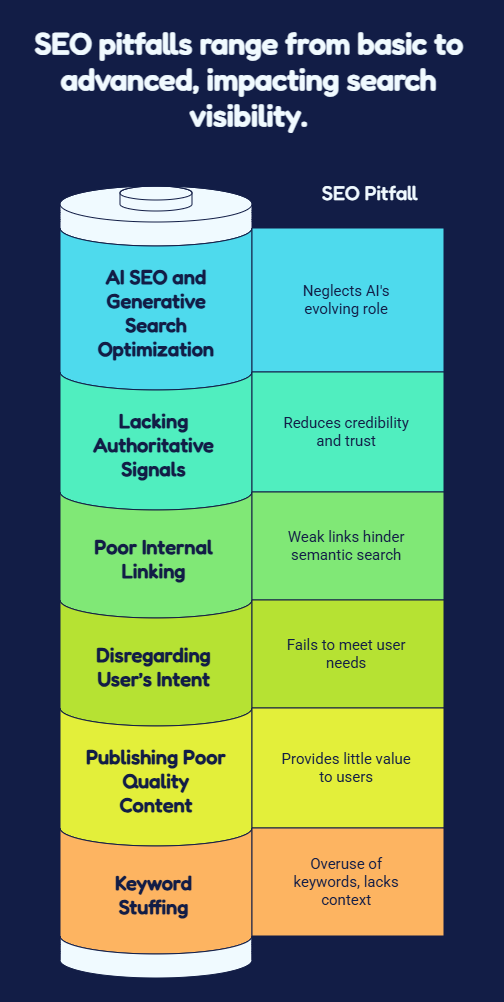
Keyword Stuffing
A modern SEO strategy needs to be based on context.
Publishing Poor Quality Content
AI is all about providing useful content.
Disregarding User’s Intent
Useless content cannot attract many users.
Poor Internal Linking
Weak linkages impact semantic searches.
Lacking Authoritative Signals
The importance of authoritative signals won’t change.
AI SEO and Generative Search Optimization after 2026
AI Seo search algorithms will keep on improving after 2026.
Businesses which emphasize on:
- SEO semantics
- Entities
- E-E-A-T
- Topic authority
- User intent
will thrive in this new era of search engines.
Businesses that are going to win in the AI age of search engines are those that can teach the search engines about topics, not keywords.
Future-Proof Your SEO Strategy Now

Times, they’re a-changing. Businesses that only leverage traditional keyword-based SEO methods are at a serious disadvantage against businesses that have embraced search optimization powered by artificial intelligence.
This is your moment to make a move and optimize for Semantic SEO for AI Search and Google AI Overviews. Leverage your topic authority, content quality, and AI optimization to set yourself up for success.
Act now before traffic drops off. Adopt Generative Search Optimization today and become an industry expert in the age of AI.
Frequently Asked Questions (FAQs)
- What is Google AI Overviews optimization?
Google AI Overviews optimization is an approach aimed at increasing the likelihood of having content included in Google AI-generated overviews during searches.
- What is Semantic SEO?
Semantic SEO involves creating content not based on exact match keywords but focusing on topics, entities, and intent of users.
- Why is Semantic SEO crucial for AI searches?
As AI technology analyzes context and semantics, semantic SEO optimization is crucial for AI visibility.
- What is Generative Search Optimization (GEO)?
Generative Search Optimization (GEO) implies optimization of content in order to be included into AI searches and conversation-based searches.
- How do topic clustershelp toboost AI visibility?
Topic clustering shows your competence and establishes connections between topics for search engines.
- How will the E-E-A-T help in AI searches?
E-E-A-T will form the core of credibility, thus making it possible for citations to occur via AI.
- Is classical SEO possible in 2026?
Classic SEO remains viable although should be supported by AI SEO methods.
- Effect of Google AI Overview on organic traffic?
Google AI Overviews affect user behavior through instant responses. It is therefore essential to have AI involved.
- Definition of semantic entities?
Semantic Entities are real-world elements that include brands, people, places, things, products, and topics which give context.
- What will the SEO trendbein 2026?
Some of the major SEO trends will be Semantic SEO, AI-based SEO, and Generative Search Optimization.

Manisha Sharma is an experienced content writer with over 1-2 years of expertise in crafting engaging, SEO-driven, and audience-focused content. Passionate about storytelling and travel, combines her love for exploring new places with her writing skills to create authentic and relatable narratives. From travel blogs to brand content, Manisha Sharma specializes in producing compelling copy that connects with readers and enhances brand presence across digital platforms.